
Cyber Risk
Verifying Breach Claims: The Carhartt Incident and Threat Attribution Risks
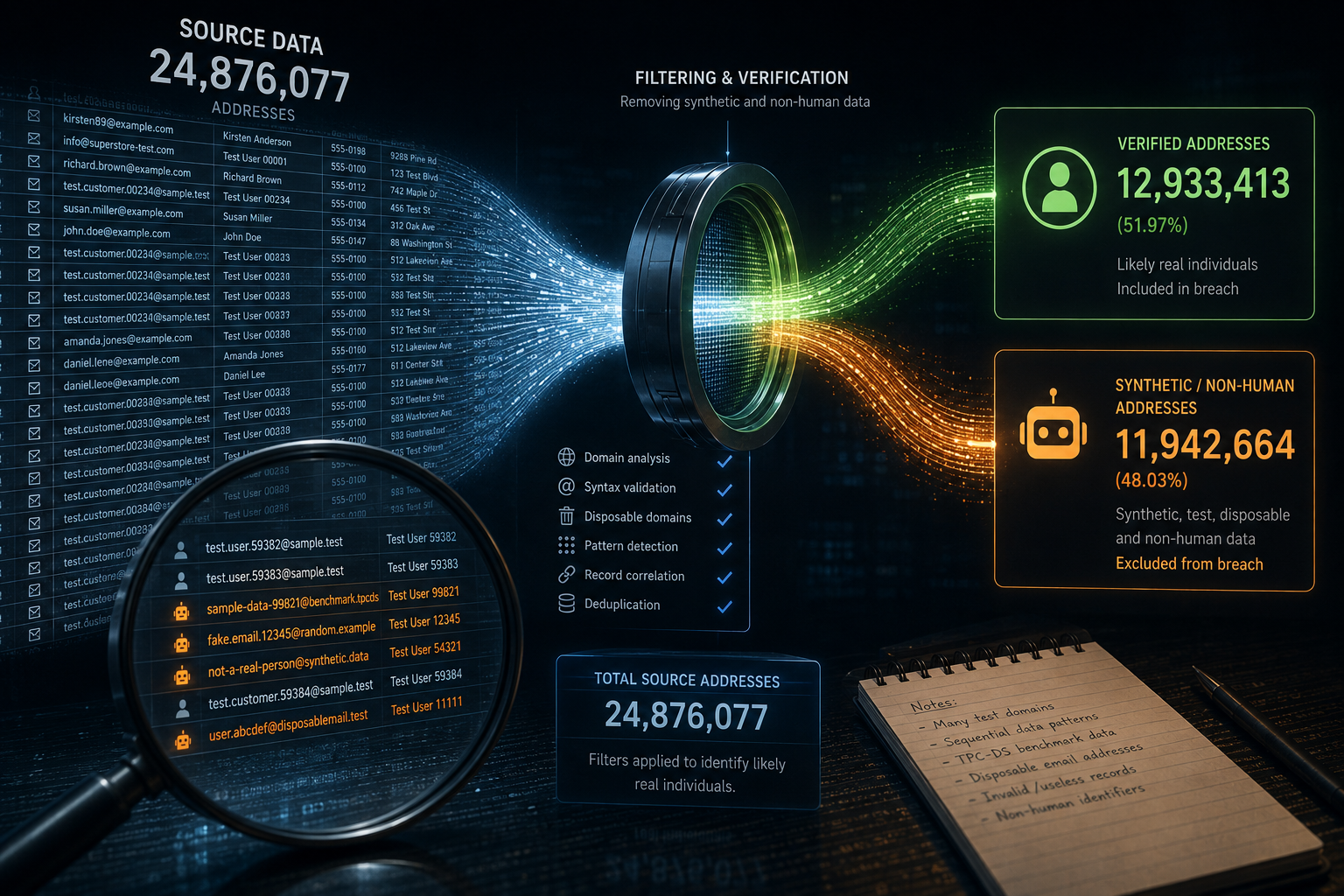
A deep dive into why enterprise defenders and analysts cannot take cybercriminal extortion claims at face value without rigorous evidence validation.
Navigating Extortion Claims and Cybercrime Deception
Threat actors frequently inflate breach claims, publish fabricated data dumps, or misattribute aggregated scrapings to high-profile brands to maximize extortion pressure. Recent controversies surrounding brand-targeted breach notifications demonstrate that cybercriminals often manipulate victim identities or exploit misidentified database dumps. Security leaders must exercise critical caution before validating uncorroborated dark web claims.
When a threat group announces that an enterprise has been compromised, the immediate corporate and public fallout can be substantial, impacting stock value, regulatory compliance status, and consumer trust. However, verifying the authenticity of the dataset—including timestamps, unique proprietary schemas, and validation through internal audit trails—is essential. Rushing to accept attacker statements without thorough cryptographic and transactional validation can disrupt operations and misinform key stakeholders.
Strategic Verification and Incident Response Strategies
To manage corporate reputation and maintain regulatory alignment during unverified breach claims, organizations should adopt disciplined verification mechanisms:
- Establish Forensic Verification Pipelines: Treat all external breach claims with skepticism until internal forensic audits match leaked records against active databases and historical system snapshots.
- Audit Third-Party and Supply Chain Vectors: Investigate whether compromised records stem from external marketing platforms, contractors, or third-party logistics vendors rather than primary corporate infrastructure.
- Calibrate Regulatory and Legal Disclosures: Coordinate closely with legal, compliance, and incident response teams to ensure public statements and regulatory notifications align with verified facts rather than adversary claims.
- Standardize Threat Intelligence Intake: Rely on reputable threat intelligence providers that validate dark web samples instead of relying solely on automated threat actor leak monitoring.
แหล่งที่มา: Troy Hunt (Have I Been Pwned) เผยแพร่ครั้งแรก: Tue, 25 Aug 2026 21:51:08 GMT บทความต้นฉบับ: อ่านต้นฉบับ
Source Attribution
แหล่งที่มา: Troy Hunt (Have I Been Pwned)
เผยแพร่ครั้งแรก: Tue, 25 Aug 2026 21:51:08 GMT
บทความต้นฉบับ: https://www.troyhunt.com/a-cautionary-tale-about-data-breach-claims-verification-and-carhartt/
* Facebook / LinkedIn ไม่อนุญาตให้ใส่ข้อความให้ล่วงหน้า — กดปุ่มจะคัดลอกข้อความให้ก่อน เปิดหน้าแชร์แล้ววาง (paste) ได้เลย พรีวิวการ์ดจะแสดงอัตโนมัติเมื่อวางลิงก์