
Data Breach
Trezor Data Breach: 13,000 Customers Impacted by Third-Party Logistics Incident
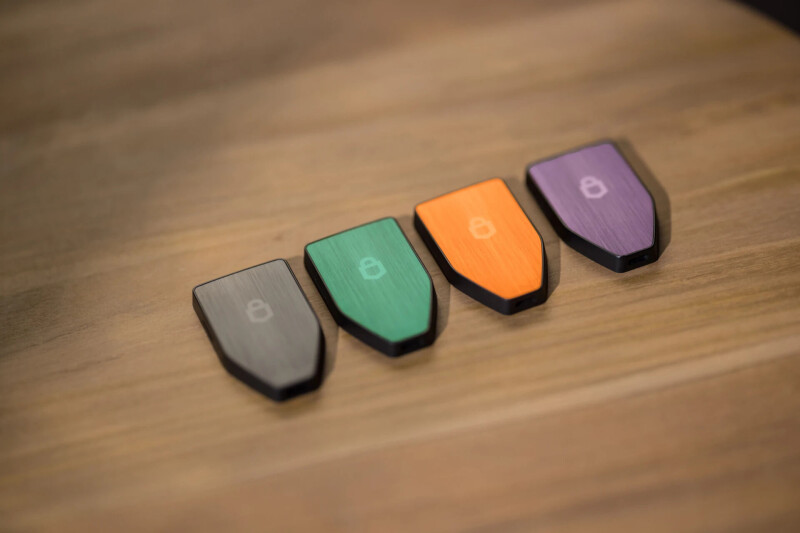
Even the most secure hardware remains vulnerable to supply chain weaknesses, as evidenced by the recent exposure of Trezor customer details via a logistics partner.
The Weakest Link: Third-Party Logistics
The recent security incident involving Trezor, a prominent manufacturer of cryptocurrency hardware wallets, serves as a stark reminder of the complexities inherent in supply chain security. Despite the company's focus on creating highly secure, encrypted, and even quantum-ready hardware, a breach occurred at a third-party logistics provider. This incident resulted in the exposure of approximately 13,000 customers' personal details, including names and contact information. The Trezor case is a textbook example of how the periphery of an organization can be its undoing. While the core product may be impenetrable, the surrounding business ecosystem—including marketing, logistics, and support partners—remains a significant surface area for attackers. For crypto users, such a breach is particularly dangerous as it provides attackers with a high-value target list for sophisticated phishing campaigns or even physical 'wrench attacks.' When customer data is leaked from a trusted security firm, the psychological impact can be just as damaging as the technical one.
Practical Steps for Vendor Management
To defend against such supply chain failures, companies must implement rigorous Vendor Risk Management (VRM) programs. At FORTSECURE GLOBAL, we recommend a 'Zero Trust' approach to third-party data access. Partners should never have permanent, unfettered access to customer databases. Instead, data should be provided in encrypted batches only when necessary for a specific transaction. Furthermore, the principle of data minimization should be strictly applied; logistics partners should only have access to data for the duration of the delivery process. From a customer perspective, this incident reinforces the need for constant vigilance. Users should be encouraged to use anonymous email aliases and PO boxes when purchasing security-sensitive hardware. Organizations must also conduct regular, unannounced audits of their vendors' security postures to ensure compliance with standards like ISO 27001, ensuring that the 'side' is not let down by a weak link in the chain.
แหล่งที่มา: The Register - Security เผยแพร่ครั้งแรก: Fri, 14 Aug 2026 12:29:00 +0200 บทความต้นฉบับ: อ่านต้นฉบับ
Source Attribution
แหล่งที่มา: The Register - Security
เผยแพร่ครั้งแรก: Fri, 14 Aug 2026 12:29:00 +0200
บทความต้นฉบับ: https://www.theregister.com/security/2026/08/14/crypto-wallet-maker-trezor-confirms-13000-customers-details-exposed-in-logistics-breach/5287734
* Facebook / LinkedIn ไม่อนุญาตให้ใส่ข้อความให้ล่วงหน้า — กดปุ่มจะคัดลอกข้อความให้ก่อน เปิดหน้าแชร์แล้ววาง (paste) ได้เลย พรีวิวการ์ดจะแสดงอัตโนมัติเมื่อวางลิงก์